A voltmeter is an electrical measuring tool that is used to determine the potential difference between two points. It doesn’t matter if the voltage to be measured is AC or DC. Voltmeters available for such functions are analog and digital voltmeters. The acronym used for digital voltmeters is DVM.
Though digital voltmeters have displaced analog voltmeters nowadays, not completely, the major point of difference between the two voltage multimeters is that, in contrast to analog instruments, digital voltmeters display the value of the AC or DC voltage being measured as a discrete numerical number rather than a pointer deflection on a continuous scale.
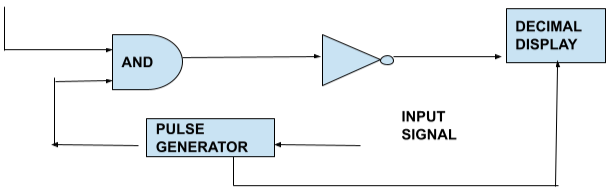
Let’s understand the various components of a digital voltmeter and its working.
The steps are as follows –
Input Signal → Attenuator → ADC → Counter → Read out System
Based on the above A/D Conversion, there are many types of digital voltmeters such as – Ramp type digital voltmeter, Integrating type voltmeter, Potentiometric type digital voltmeters, Successive approximation type digital voltmeter and Continuous balance type digital voltmeter.
Digital voltmeters are being phased out in favour of digital multimeters but not completely due to their multitasking capabilities, which include the ability to measure current, voltage, and resistance.
While a digital voltmeter serves the single purpose of ascertaining voltage, a multimeter is a comprehensive tool that can ascertain not only voltage but also resistance, current, amps, and ohms. Multimeters are often referred to as VOM, which is an abbreviation for Voltage-Ohms-Amperes or DMM, or Digital Multimeter. So, they can be multifunctional, digital and analog, and also accurate, but the limitation is the multimeter price. They tend to be expensive.
Digital voltmeters come with a high resolution and are more programmed than analog voltmeters. They offer more speed of operations and also give an overload indication. Though voltage potential can be ascertained through analog and digital type of voltmeters, they are being replaced nowadays by multimeter. But again, this has not been done completely, it is just a matter of fact that a multimeter is a handy electronic device which serves a comprehensive use not only for voltage but also for current and resistance. The only issue is that of the multimeter price.
DVMs are commonly used to determine whether a circuit, such as a mains outlet, has power and is used to determine the voltage of various components.



 Profile
 Settings
 Refer your friends
 Sign out