


 Profile
 Settings
 Refer your friends
 Sign out




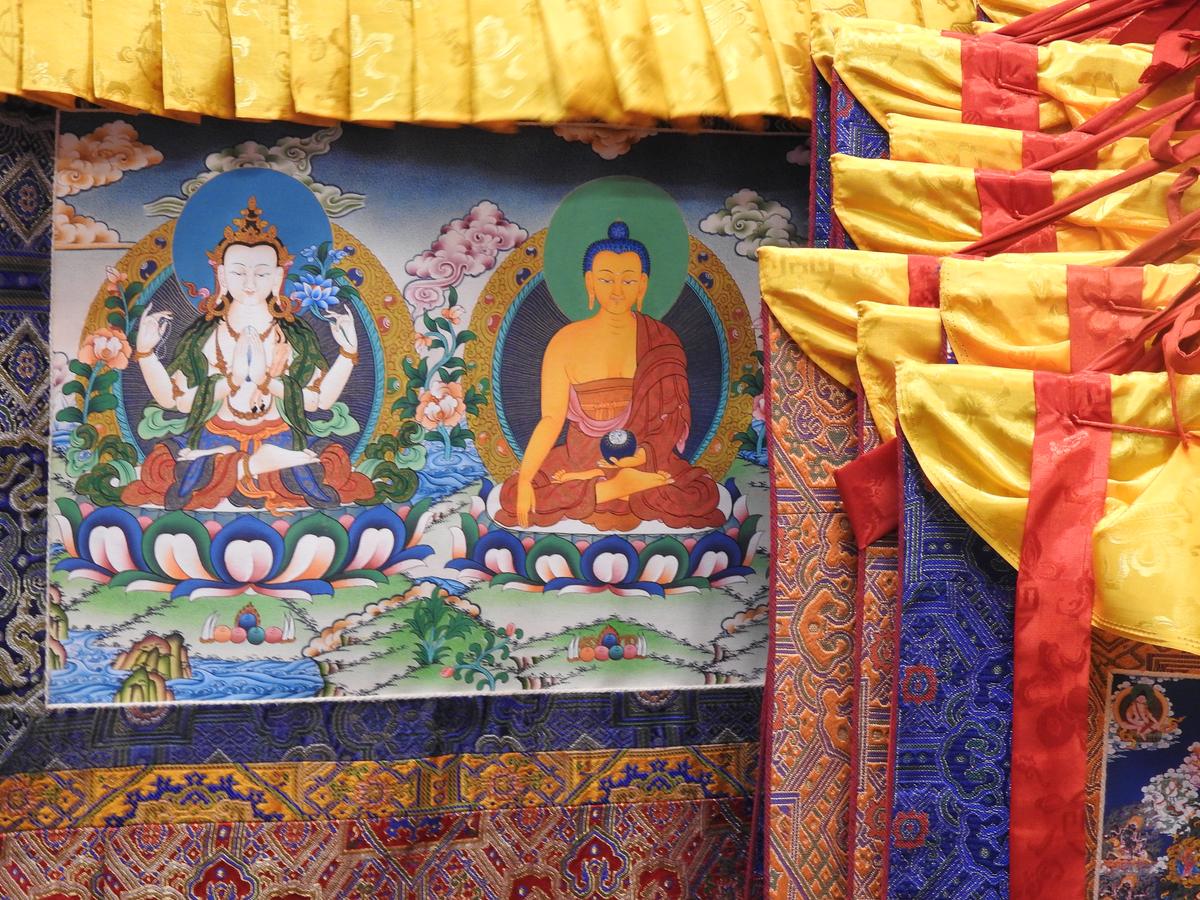
About Thangka Art:
- Origin: Tibetan Buddhist art form dating back to the 7th century.
- Medium: Painted or embroidered scrolls.
- Purpose: Used as teaching tools, aids for meditation, and as offerings.
- Characteristics:
o Depictions: Religious figures, deities, mandalas, and scenes from Buddhist mythology.
o Materials: Cotton or silk fabric, mineral and organic pigments, and sometimes gold.
o Style: Intricate, detailed, and often symbolic, with a focus on symmetry and precision.
- Cultural Significance:
o Ritual Use: Thangkas are used in Buddhist ceremonies and as meditation aids.
o Preservation of Culture: Reflects the rich spiritual and artistic heritage of Tibetan Buddhism.
o Modern Influence: Continues to influence contemporary art and is preserved by artisans worldwide.
About Majnu Ka Tila:
|
Why in News?
- Recently Thangka art exhibitions at Majnu Ka Tila are highlighted due to their efforts to preserve traditional Tibetan art amid low customer turnout, witnessing challenges in cultural promotion.
