


 Profile
 Settings
 Refer your friends
 Sign out



What Are the Piprahwa Gems?
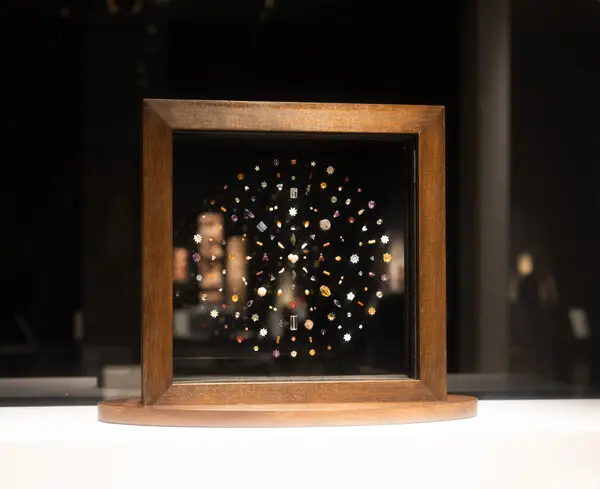
- The collection includes 349 gemstones believed to be part of relics associated with Lord Buddha.
- They were excavated in 1898 by Peppé at a Buddhist stupa in Piprahwa, Siddharthnagar district, Uttar Pradesh (near Nepal border).
- Some relics (bones and ashes) were gifted to King Rama V of Siam (Thailand).
- Other items were sent to the Imperial Museum in Kolkata (now Indian Museum), where they are still housed.
- A portion of the collection remained in the Peppé family’s private possession, passed down through generations.
How Did the Auction Come About?
- In May 2025, Sotheby’s Hong Kong listed the gemstones for auction with an estimated value of over $100 million.
- The Ministry of Culture served a legal notice to Sotheby’s and the Peppé family on May 5, demanding cessation of the auction and repatriation of the relics.
- The Archaeological Survey of India (ASI) and the Consulate General in Hong Kong also intervened.
Why Was India’s Legal Claim Weak?
- The relics were excavated from British-allocated land and had been privately held for 127 years, making it hard to prove illegal possession.
- They were taken out of India long before the Antiquities and Art Treasures Act, 1972, which regulates export and possession of cultural property.
- Hence, the matter fell into a legal grey area, limiting India’s direct legal recourse.
How Was the Return Facilitated?
- Pirojsha Godrej acquired the gemstones through a private purchase for an undisclosed amount.
- This allowed the Indian government to avoid making a commercial purchase, which could raise ethical and diplomatic issues.
- Godrej has agreed to:
- Loan a large portion of the collection to the National Museum for five years.
- Publicly display the entire collection for three months upon arrival.
