


 Profile
 Settings
 Refer your friends
 Sign out




Why in News?
- Recent research in early 2026 has revealed that Epaulette sharks can reproduce and lay eggs without any measurable increase in energy use, showcasing extraordinary metabolic resilience to warming oceans.
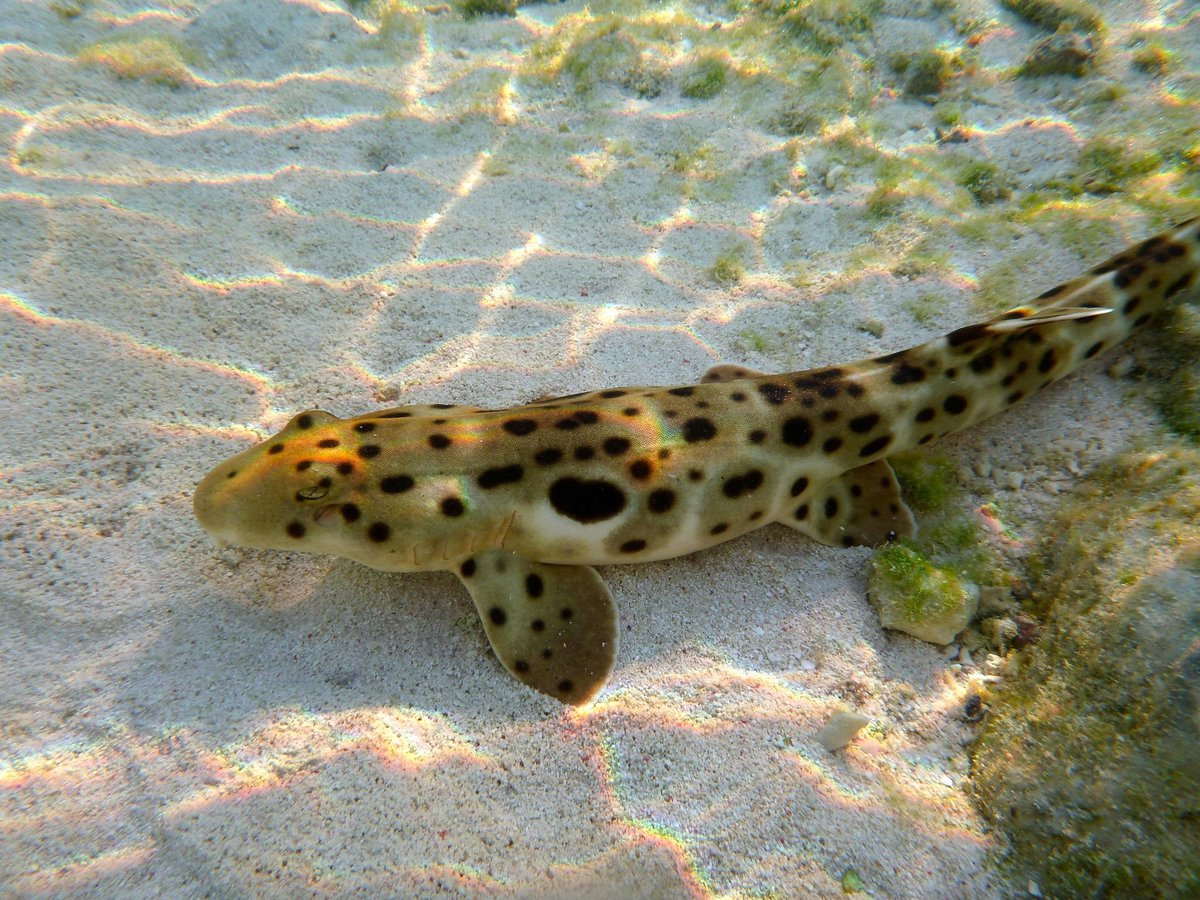
About Epaulette Shark
- Scientific Name: Hemiscyllium ocellatum (belonging to the “Longtail Carpet Shark” family).
- Common Name: Often called the “Walking Shark” due to its unique locomotion.
- Geographical Distribution: Endemic to the shallow tropical waters of the Western Pacific, specifically northern Australia (Great Barrier Reef) and New Guinea.
- Unique Locomotion: It “walks” along the seafloor and across exposed reef flats using its muscular, paddle-shaped pectoral and pelvic fins.
- This allows it to move between isolated tide pools when the tide recedes, accessing prey (crabs, worms, small fish) unreachable by other predators.
- Physiological “Superpowers”:
- Hypoxia Tolerance: It can survive in extremely low-oxygen environments for up to two hours by slowing its heart rate and selectively shutting down non-essential brain functions.
- High Temperature Tolerance: Unlike most sharks, it thrives in warm, shallow tide pools that can reach temperatures lethal to other marine life.
- Reproduction: It is oviparous (lays eggs). Recent 2026 studies show its “metabolic cost” for egg-laying is nearly zero, suggesting it can continue breeding even under environmental stress.
- Conservation Status: * IUCN Red List: Least Concern (LC).
- Distinctive Features: Recognized by a large black eyespot (ocellus) ringed in white above the pectoral fin, resembling a military “epaulette” (shoulder ornament).
