


 Profile
 Settings
 Refer your friends
 Sign out




Why in News:
- Scientists have successfully used earthquake sensors to track the uncontrolled fall of the Shenzhou-15 spaceship module, proving a new way to monitor dangerous space debris.
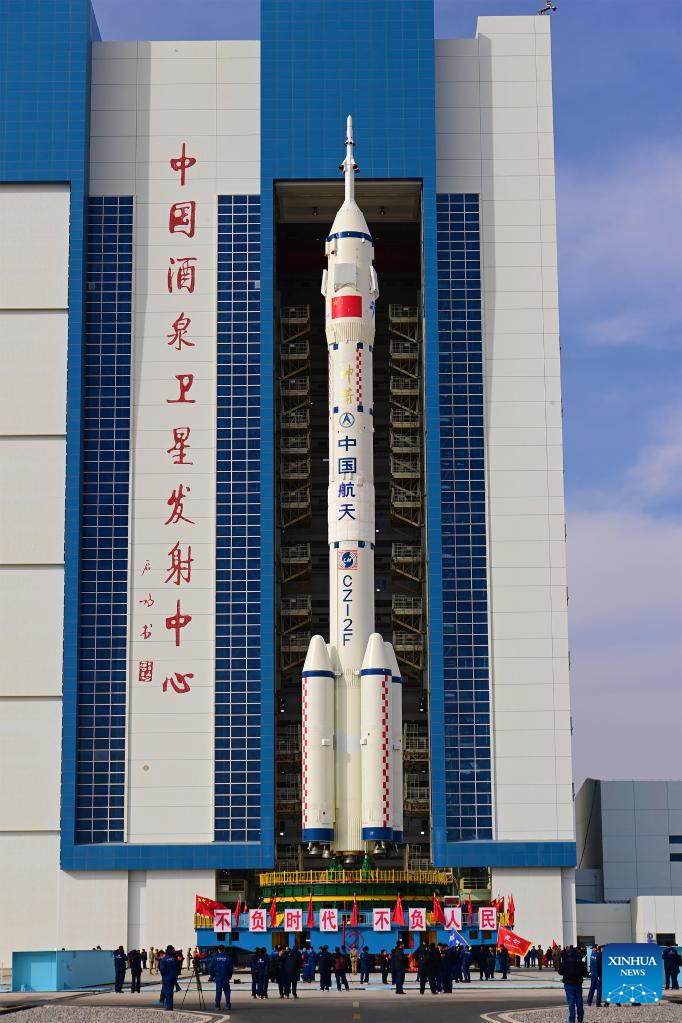
- The Mission: Shenzhou-15 was a historic Chinese space mission launched in late 2022. It was the final mission to complete the construction of China’s Tiangong Space Station, giving it a distinct T-shape.
- First Crew Meeting: It marked the first time two Chinese astronaut crews met in space, handing over control of the station while in orbit.
- The Debris Incident: After the mission, a discarded part of the spaceship (the orbital module) fell back to Earth as “space junk” without any control.
- A New Way to Track: Usually, radars track falling space junk. However, in a recent breakthrough, scientists used seismic sensors (normally used to detect earthquakes) to “hear” the shockwaves created by the debris as it crashed through the atmosphere.
- Why It Matters: The earthquake sensors revealed that the debris landed significantly far from where standard radars predicted. This means we can now use ground sensors to better predict where dangerous space junk might fall.
- The “Sonic Boom”: The falling metal created a massive sonic boom (loud noise from traveling faster than sound), which the ground sensors picked up, allowing precise location tracking.
