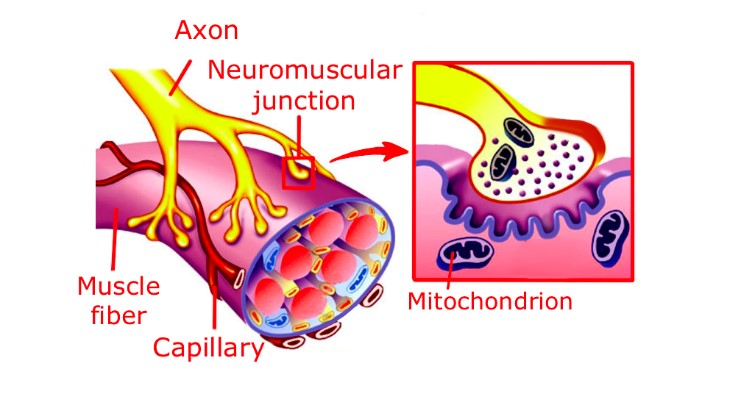
Specialised tissues in multicellular organisms provide control and coordination tasks. Nervous and muscular structures in animals give this control and coordination.
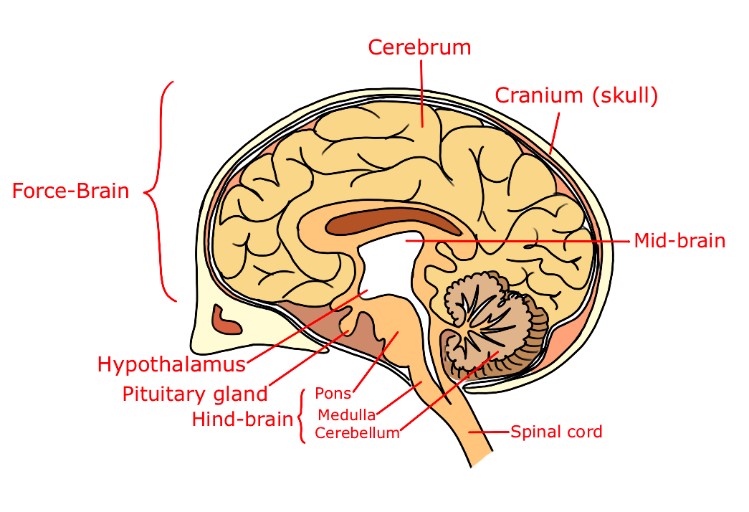
It’s housed in a fluid-filled balloon that absorbs even more shock. It is divided into three major sections or regions:
While the nervous tissue conveys decisions to muscles for action, the Muscle tissue performs the required action or movement.
The concept of movement at the cellular level is that muscle cells will move by changing their shape to shorten.
Plants show two different types of activities:
Electrical Impulses are a medium of transmission of information to ensure fast responses to stimuli.
Its Limitations:
Because of these limitations, most multicellular organisms use another means of communication between cells, namely, chemical communication.
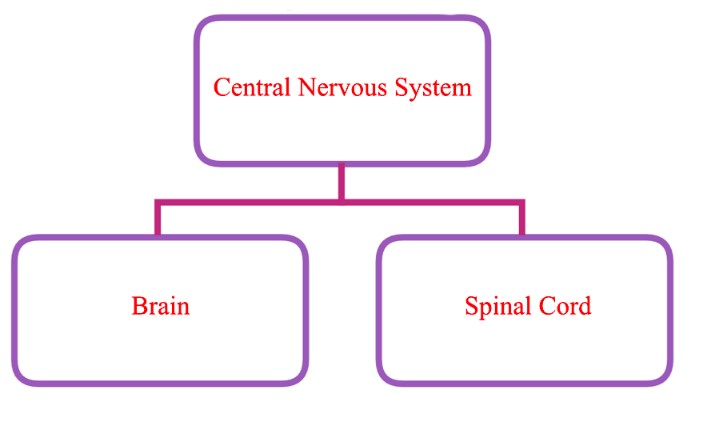
Thus, we can say that in multicellular organisms the coordination tasks are performed by specialised tissues which are known as nervous tissues. Nervous tissues consist of an organised network of neurons which are spread throughout the body and can communicate with every part of the body through electrical impulses. But there are certain actions also, which are used for sudden responses- reflex actions. The control centre of our body is the brain which also constitutes the central nervous system. The central nervous system can communicate with all parts of the body and can process any information it receives for the brain is divided into forebrain, midbrain and hindbrain.



 Profile
 Settings
 Refer your friends
 Sign out