A route through which electric current flows is known as an electric circuit. An electric circuit can also be a loop if it is a closed path (both ends are connected). Because of the closed circuit, electric current can flow freely. An open circuit is one in which the flow of electrons is interrupted because the circuit is broken. An open circuit does not allow electric current to flow.
In 1800, Alessandro Volta created the first electric circuit. Volta discovered that he could create a continuous flow of electricity by attaching bowls of salt solution with metal strips. Later, he constructed his voltaic pile out of alternating copper, zinc, and cardboard discs soaked in a salt solution (an early battery). He was capable of making the electric current flow across the circuit by connecting a wire from top to bottom. The first practical implementation of electric current was electrolysis.
A collection of conducting components built to transport electric current for a specific purpose is known as an electric circuit. This route is powered by a battery and built with electrical cables. The point at which electrons start to flow is called the source, and the point at which electrons leave the electrical circuit is called the return.
Electric circuits are divided into two categories.
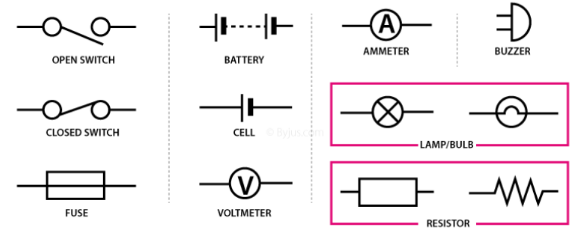
An electric circuit is a collection of electrical components that work together to create a closed path for current to flow. A source of electric power (electric cell or battery), a load that uses up electric power, connecting wires manufactured of good electric conductors, and a switch or key make up an electric circuit.



 Profile
 Settings
 Refer your friends
 Sign out