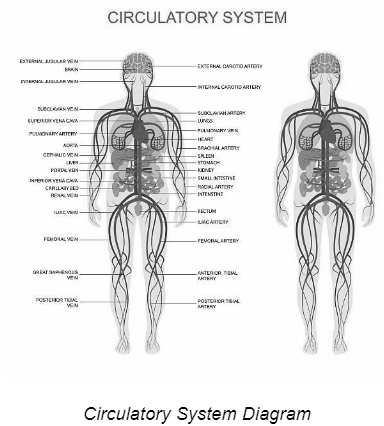
The circulatory system, alternatively referred to as the cardiovascular system, comprises the heart and blood arteries. It is responsible for transporting oxygen and other nutrients to all of your body’s organs and tissues. Additionally, it is capable of removing carbon dioxide and other waste products.
A healthy circulatory system is critical for your overall health and well-being. Continue reading to learn more about the circulatory system, its function, and what you can do to maintain a healthy heart and blood vessels.
Circulatory system is composed of the following components:
Three circuits comprise your circulatory system. Blood flows continuously via your heart and these circuits:
Blood vessels are classified into three types:
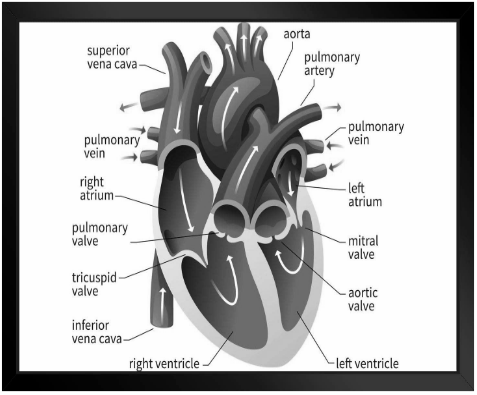
Your heart is the only organ of the circulatory system. Blood goes from the heart to the lungs in order to receive oxygen. Lungs are considered to be a component of the respiratory system. Your heart then circulates oxygenated blood throughout your body via arteries.
In order to circulate blood through the 60,000 km of arteries in the body, the heart beats 100,000 times per day. The right side of the heart receives blood and transports it to the lungs for oxygenation, while the left side gets oxygenated blood from the lungs and transports it to the body’s tissues. Three layers comprise the heart: the ENDOCARDIUM (inner layer), the EPICARDIUM (middle layer), and the MYOCARDIUM (outer layer) (outer layer). The PERICARDIUM, the heart’s protective membrane, protects it.
The heart is made up of FOUR CHAMBERS: the right and left Ventricles in the lower heart and the right and left Atria in the upper heart. The atria contract while the ventricles rest during a typical heartbeat, and then the ventricles contract while the atria relax. Between the ventricle and atrium, there are VALVES that shut in such a manner that blood does not backwash during the pauses between ventricular contractions.
The right and left ventricles are separated by a strong wall (the VENTRICULAR SEPTUM); infants born with a “hole in the heart” have a tiny gap here, which creates complications because oxygenated and deoxygenated blood can mingle. The left ventricle’s walls are thicker because it must pump blood to all tissues, as opposed to the right ventricle, which exclusively pumps blood to the lungs.
Blood flows via a network of arteries throughout the body, supplying oxygen and nutrients to specific cells and assisting in the elimination of metabolic wastes. The heart circulates blood via the arteries.
The cardiovascular system transports blood from the heart to the lungs to obtain oxygen. The heart then pumps oxygenated blood through arteries. The veins return oxygen-depleted blood to the heart, restarting circulation. Your circulatory system keeps your organs, muscles, and tissues healthy.



 Profile
 Settings
 Refer your friends
 Sign out